Pain while passing stool is something many people hide out of embarrassment, but it should never be ignored. One of the most common causes is a small tear near the anus, and it can make even a simple trip to the toilet feel frightening. If you are dealing with an anal fissure in Surat, you are far from alone, and effective help is available. In this guide, we explain what a fissure is, what causes it, how to recognise the symptoms, and exactly when you should see a doctor. You will also find treatment basics, prevention tips, and advice on choosing the right clinic.
Understanding Anal Fissures and Their Symptoms
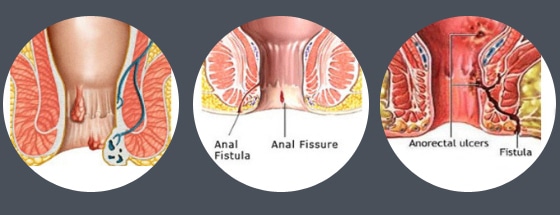
An anal fissure is a small, narrow tear in the thin, moist lining of the anal canal. It usually appears after passing a hard or large stool, and it often causes sharp pain and bleeding. The tear exposes the muscle underneath, which then tightens in spasm. That spasm reduces blood supply and makes healing slower, which is why some fissures linger for weeks.
Common Causes of Anal Fissures
Constipation and Straining
The most frequent cause is constipation, along with straining on the toilet. Chronic diarrhea can also irritate and tear the skin. Other contributors include childbirth, anal intercourse, inflammatory bowel disease, and a very tight anal sphincter. In some cases, a fissure may be linked to infection or other medical conditions, which is why a proper check matters.
Acute vs Chronic Fissures
An acute fissure is new and shallow, and it often heals within four to six weeks with simple care. A chronic fissure lasts longer than six to eight weeks and may have a deeper tear, a skin tag at the edge, or visible muscle fibres. Chronic fissures are harder to heal and usually need medicines or a procedure.
Other Contributing Factors
- Childbirth
- Anal intercourse
- Inflammatory bowel disease
- A very tight anal sphincter
In some cases, a fissure may be linked to infection or another medical condition. That is why a proper medical check matters, especially if the fissure doesn’t heal.
Symptoms of an Anal Fissure
The signs are usually easy to notice once you know what to look for.
Pain During and After a Bowel Movement
The hallmark symptom is a sharp, cutting, or burning pain during a bowel movement. Many people describe it as passing glass or a blade. The pain may ease briefly and then return as a deep, throbbing ache that lasts for hours. Fear of this pain often leads people to avoid the toilet, which makes constipation worse.
Bleeding, Itching, and Visible Tears
Bright red blood on the toilet paper or on the surface of the stool is common. The amount is usually small. Itching, irritation, and a visible crack or small lump near the anal opening can also appear. Heavy or dark bleeding is not typical and needs a prompt medical check.
When Should You Consult a Fissure Doctor in Adajan, Surat?
Mild fissures often improve with home care, but you should not wait too long. Please book a visit if any of the following apply:
- Pain is severe or lasts for more than a few hours after each bowel movement
- Symptoms continue for more than two weeks despite home care
- You see heavy bleeding, dark blood, or blood mixed through the stool
- You have fever, swelling, pus, or a painful lump near the anus
- You notice unexplained weight loss or a lasting change in bowel habits
- Fissures keep coming back after healing
- You cannot pass stool or urine comfortably
If you are searching for a fissure doctor in Adajan, Surat, you can get a clear diagnosis quickly and avoid weeks of unnecessary suffering. Early care also lowers the chance of the fissure becoming chronic.
How an Anal Fissure is Diagnosed and Treated in Surat?
Anal fissure treatment in Surat depends on how severe the tear is and how long it has been present. In many cases, simple changes in diet and bowel habits can help the fissure heal. If symptoms continue or the fissure becomes chronic, a doctor may recommend medicines or other treatment options.
Diagnosis of an Anal Fissure
The doctor will ask about your symptoms, bowel movements, and medical history. A gentle examination of the affected area can often help identify an anal fissure. If the symptoms are unusual or the fissure does not heal as expected, additional tests may be needed to understand the cause and plan the right treatment.
Home Care and Lifestyle Changes
First-line care includes more fibre, plenty of water, and warm sitz baths for ten to fifteen minutes a few times a day. Stool softeners may be added to keep bowel movements soft and easy. These measures heal many acute fissures without any medicine.
Medicines and Other Non-Surgical Treatments
If home care is not enough, doctors may prescribe a muscle-relaxing ointment such as diltiazem or nitroglycerin for several weeks. Pain-relieving creams can add comfort. A small botulinum toxin injection into the sphincter is another option for stubborn cases.
Anal Fissure Laser Treatment in Surat and Other Procedures
If an anal fissure becomes chronic or does not heal with medicines and lifestyle changes, a procedure may be recommended. Depending on the condition, the doctor may discuss surgical or minimally invasive options, including laser-based treatment where appropriate. Each option has its own benefits, risks, and recovery requirements.
Consulting a best surgical specialist in Surat can help you understand which treatment is suitable for your condition. The doctor will assess the severity of the fissure, explain the available options, and recommend an approach based on your symptoms and medical needs.
Finding the Right Anal Fissure Specialist in Surat
A specialist has focused training in conditions of the anus and rectum, which means more accurate diagnosis and better treatment choices. They can tell a fissure apart from piles, infections, or bowel disease, all of which can cause similar symptoms. They also offer a full range of options, so you are not pushed toward surgery when a simpler step would work. Many patients value the calm, respectful approach of Dr. Anup Patki, who explains every step clearly and recommends procedures only when they are truly needed. Privacy and comfort are especially important with this problem, and a good specialist makes you feel at ease from the first visit.
Choosing the Best Hospital in Surat for Fissure Surgery
A convenient, local clinic makes follow-up visits easier, and regular review is important for healing. Look for a qualified surgeon or proctologist with specific experience in anorectal problems. Check reviews, ask how many fissure patients they treat, and make sure they offer clear explanations and fair pricing. Easy appointments, clean facilities, and a private consultation room are further signs of a patient-focused practice. Being close to home also helps if you need quick advice during healing.
Proximity matters, but quality matters more. When comparing any fissure clinic near me, confirm that the doctor is properly trained, the clinic is hygienic, and the full range of treatments is available. Ask what happens if the first treatment does not work, how pain is managed, and what follow-up care is included. A trustworthy clinic is transparent about cost and never pressures you into surgery on the first visit. Take your time, and choose the place where you feel most comfortable asking questions.
Tips to Prevent Anal Fissures From Coming Back
Preventing anal fissures from coming back starts with keeping bowel movements soft and regular.
- Eat fibre-rich foods: Include fruits, vegetables, whole grains, and pulses in your daily diet to help keep stools soft.
- Drink enough water: Stay hydrated throughout the day to support regular bowel movements.
- Avoid straining: Do not put excessive pressure on the anal area while passing stools.
- Do not delay bowel movements: Respond to the urge to go instead of holding it in.
- Limit toilet time: Avoid sitting on the toilet for long periods.
- Stay physically active: Regular walking or light exercise can help maintain healthy bowel habits.
- Seek medical advice early: If pain or bleeding returns, consult a doctor promptly to prevent the condition from worsening.
Conclusion
An anal fissure is common, painful, and very treatable, especially when you act early. Simple steps like more fibre, water, and warm baths help many people, and medicines or procedures are available for stubborn cases. If you are struggling with an anal fissure in Surat, a consultation with Dr. Patki is a caring first step toward a clear diagnosis and lasting relief.
Frequently Asked Questions
1. What is the main cause of an anal fissure?
Constipation and straining are the most common causes. Hard stools tear the delicate lining, and chronic diarrhea can also irritate the skin.
2. Can an anal fissure heal on its own?
Many acute fissures heal within a few weeks with fibre, fluids, and sitz baths. Chronic fissures usually need medicines or a procedure.
3. How do I know if it is a fissure or piles?
Fissures usually cause sharp pain during and after stool, while piles often cause painless bleeding or swelling. A doctor can confirm the cause with a quick examination.
4. Is surgery always needed?
No. Most fissures improve with diet changes, sitz baths, and medicated ointments. Surgery is usually kept for chronic cases that do not respond.
5. When is bleeding a warning sign?
Small streaks of bright red blood are typical of a fissure. Heavy, dark, or continuous bleeding, or bleeding with weight loss or bowel changes, needs urgent medical advice.