Many people ignore bleeding or discomfort during bowel movements because they feel embarrassed or assume it will pass. Yet knowing when to see a piles specialist doctor in Surat can stop a manageable problem from becoming painful, expensive and hard to treat. Piles are common, and most cases respond well to early care. This guide explains six warning signs that need medical attention, the treatment choices available, what affects costs, and how to choose the right hospital, so you can act with confidence instead of waiting in silence.
6 Warning Signs of Piles That You Should Not Ignore
Piles, also called haemorrhoids, are swollen blood vessels in and around the anus and lower rectum. Mild cases may settle with simple home care, but certain symptoms signal that professional piles problem is the safer choice. Watch for the following signs, and do not wait for pain to become severe before booking a consultation.
1. Bleeding During or After Bowel Movements
Bright red blood on the toilet paper, in the bowl or on the stool is the most common symptom of piles. Even if the bleeding is painless and stops quickly, it should be examined. Rectal bleeding can also come from fissures, infections or growths in the colon, so a doctor must confirm the real cause. Repeated bleeding can lead to anaemia, which causes tiredness, pale skin and breathlessness.
2. Pain, Swelling or a Hard Lump Near the Anus
Basic piles are often painless, so ongoing pain deserves attention. A sudden, hard and very painful lump may be a thrombosed pile, where a clot has formed inside the swollen vein. This usually peaks within the first few days and responds best when treated early. Sharp pain with every stool may also point to a fissure rather than piles.
3. A Lump That Hangs Out and Does Not Go Back
Internal piles can slip outside the anus during straining. At first they return on their own, then only when pushed back, and eventually they stay out permanently. This progression shows the condition is advancing. Late stage prolapse rarely improves with creams alone and often needs a procedure to restore comfort.
4. Symptoms That Last More Than One or Two Weeks
Mild irritation can settle within days with fibre, water and warm sitz baths. If bleeding, itching or discomfort continues beyond one to two weeks despite these measures, or keeps returning every few months, you need a proper examination. Long delays often allow the problem to move to a more advanced grade.
5. Persistent Itching, Mucus or Leakage
Constant itching, a damp feeling, mucus discharge or stool leakage can make daily life uncomfortable and cause skin infections. Over-scrubbing or using strong soaps makes things worse. These symptoms are easy to dismiss, yet they often indicate prolapsed tissue that keeps the area moist and irritated.
6. Red Flags: Dark Stools, Weight Loss or Changing Bowel Habits
Seek urgent help if bleeding comes with black or tarry stools, unexplained weight loss, severe weakness, dizziness or a lasting change in bowel habits. These signs can indicate conditions other than piles, including problems higher in the digestive tract. Heavy bleeding, fainting or fever with severe anal pain also needs immediate medical care.
Piles Treatment Without Surgery : When Are Medicines and Lifestyle Changes Enough?
Not every patient needs an operation. Early grade piles often improve with non-surgical care guided by a doctor. Many people searching for piles treatment without surgery in Surat are relieved to learn how much can be achieved with simple steps.
Lifestyle and Home Measures
Fibre-rich meals, plenty of water, regular exercise and a fixed toilet routine reduce straining. Avoid sitting on the toilet for long periods or using a phone there. Warm sitz baths for ten to fifteen minutes soothe swelling, and doctor-approved creams or suppositories can ease itching and pain. Stool softeners help when constipation is the main trigger.
Foods That Support Easier Bowel Movements
Include oats, whole wheat roti, fruits such as papaya and guava, green vegetables, lentils, buttermilk and plenty of water. Limit very spicy, oily and processed food, which can aggravate symptoms. Aim for soft, regular stools that pass without effort, because that single change relieves most of the pressure on swollen veins.
Minimally Invasive Office Procedures
For grade one and two piles that do not respond to home care, options such as rubber band ligation, sclerotherapy or infrared coagulation can shrink the piles without a major operation. These are usually done as day care procedures with a quick return to routine. Your doctor will explain which option suits the grade and size of your piles.
When Non-Surgical Care Stops Working
If symptoms keep coming back or the piles are large and prolapsed, delaying advanced treatment only prolongs suffering. A consultation at a surgical specialist in surat can help you understand whether non-surgical care is still enough or whether surgical and laser options would give better long term results.
Why Is the Right Doctor Important for Piles and Fissures in Surat?
Piles and anal fissures cause overlapping symptoms, yet treatment differs. Choosing a doctor for piles and fissures in Surat who examines you carefully avoids wasted time on the wrong medicine.
How Piles and Fissures Differ?
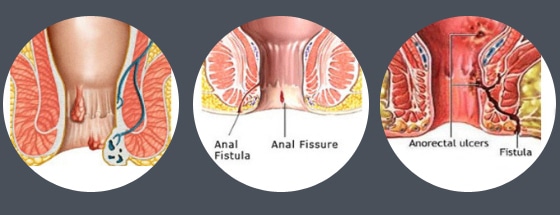
A fissure is a small tear in the anal lining that causes sharp, cutting pain during and after stools, often with a streak of bright blood. Piles usually cause bleeding, swelling or a lump with less sharp pain. Both can occur together, particularly with long term constipation.
What a Proper Evaluation Includes?
Expect a detailed history, a visual check, a gentle digital examination and, when needed, a proctoscopy. Older patients or those with red flag symptoms may need a colonoscopy to rule out other diseases. A confident diagnosis comes first, and treatment follows.
Why Self-Medication Backfires?
Applying random creams or following advice from friends can mask symptoms while the condition quietly worsens. Steroid creams used for long periods can thin the skin. Early medical guidance is usually cheaper and safer in the long run.
Piles Laser Operation Cost in Surat: What Affects the Price?
Cost is a major worry for many patients, and the final piles laser operation cost in Surat is not a single fixed number. It depends on several factors, so always ask for a written estimate after examination.
Factors That Influence the Bill
The grade and number of piles, the laser technique, the type of anaesthesia, the hospital room category and the length of stay all change the total. Pre-operative tests, medicines and follow-up visits may or may not be included, so ask exactly what the quote covers. Insurance coverage can also differ by policy and hospital.
Is Laser Treatment Worth It?
Laser procedures can mean smaller wounds, less bleeding and a quicker return to routine for suitable patients. They are not ideal for every case, and very large or complicated piles may still need conventional surgery. Choose the method that fits your condition rather than the cheapest or most advertised one.
Avoiding Hidden Charges
Request an itemised estimate that lists surgeon fees, hospital charges, anaesthesia, consumables and follow-ups. Clear billing is a good sign of an ethical practice, and it protects you from surprises on discharge day.
Piles Operation Hospital in Surat: What to Look For?
The hospital you choose affects safety, comfort and recovery as much as the surgeon. When comparing a piles operation hospital in Surat, check the points below:
- Experienced surgeons who regularly perform anorectal procedures.
- Both surgical and minimally invasive options under one roof.
- Clean, well-equipped operation theatres and trained nursing staff.
- Transparent pricing and clear insurance support.
- Proper pain control and written discharge instructions.
- A defined follow-up schedule and easy access to the doctor after discharge.
- A private, respectful environment, since many patients feel shy discussing this condition.
How to Prepare for Your First Visit?
Note when symptoms started, how often bleeding occurs, your bowel habits and any medicines you take. Avoid straining, drink water and eat fibre while you wait. Do not apply creams or home remedies you are unsure about. Clear information helps the doctor reach a diagnosis faster and plan the right treatment.
Recovery After Treatment
Most day care procedures allow a return to light work within a few days, though full comfort takes longer depending on the method. Follow diet, hygiene and medicine instructions carefully, attend follow-ups and keep stools soft to protect the treated area and reduce the chance of recurrence.
Conclusion
Piles rarely disappear when ignored, but early care keeps treatment simple. If you notice bleeding, a lasting lump, ongoing pain or any red flag, book a visit with a trusted piles specialist doctor in Surat rather than waiting. Whether you need medicines, a minimally invasive procedure or laser treatment, the right guidance protects your comfort and health. Book your consultation today for expert guidance and a personalized treatment plan tailored to your needs.
Frequently Asked Questions
Piles are rarely life threatening, but ignoring them can lead to heavy bleeding, anaemia, severe pain, prolapse and a more complex treatment later.
Mild piles may settle with fibre, water and better toilet habits, but recurring or worsening symptoms need a doctor’s examination.
Most patients report less pain than with traditional surgery, although some soreness for a few days is normal and easily managed with medicines.
Minimally invasive procedures often allow a return to light work in two to three days, while conventional surgery may need one to two weeks.
Piles do not turn into cancer, but rectal bleeding can have other causes, so any persistent bleeding should be examined by a doctor.