An anal fissure is a small tear in the lining of the anus, and anyone who has had one knows how painful it can be. Sharp pain during bowel movements, bleeding, and fear of going to the toilet can disrupt daily life. The good news is that most fissures heal well with the right care, and many never need an operation. If you are searching for the anal fissure treatment in Surat, it helps to understand the full journey first. This guide explains the eight steps from diagnosis to recovery, so you know what to expect and when to seek help.
What Is an Anal Fissure? Causes and Symptoms
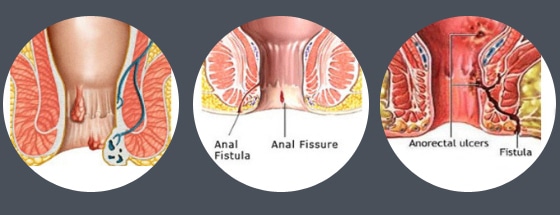
A fissure forms when the delicate skin around the anus tears, usually because of hard or large stools, prolonged diarrhea, or straining. The tear exposes the muscle underneath, which then tightens in painful spasms. That spasm reduces blood flow to the area and stops the tear from healing, creating a cycle of pain that can last for weeks.
Acute vs Chronic Anal Fissure: What’s the Difference?
An acute fissure is recent and shallow, and it often heals within a few weeks with simple measures. A chronic fissure lasts longer than six to eight weeks and may show a deeper tear, a small skin tag, or a visible muscle edge. Chronic cases are harder to heal and often need medicated or procedural treatment.
Anal Fissure Symptoms and Causes
The typical symptoms are a sharp, cutting pain during or after passing stool, bright red blood on the tissue or stool, itching, and a visible crack near the anal opening. Pain can linger for hours afterward. Constipation is the leading cause, but childbirth, inflammatory bowel disease, and anal infections can also play a role. Any ongoing bleeding should be checked by a doctor, because other conditions can cause similar signs.
Anal Fissure Treatment: 8 Steps From Diagnosis to Recovery
A good plan moves from simple, gentle steps to more advanced care only when needed. The anal fissure treatment in Surat follows a clear, stepwise path like the one below.
Step 1: Get an Accurate Diagnosis
Treatment begins with a careful history and a gentle physical examination. The doctor looks for the tear, checks the muscle tone, and notes how long you have had symptoms. Because other conditions such as hemorrhoids, infections, or bowel disease can look similar, an accurate diagnosis prevents wasted time and the wrong treatment. Further tests are only needed if the findings are unusual.
Patients often say that an expert anal fissure doctor who takes time to listen and examine gently, makes this first step far less stressful.
Step 2: Eat More Fibre and Drink More Water
Soft, bulky stool is the foundation of healing. Doctors advise gradually increasing fibre from fruit, vegetables, whole grains, and pulses, along with plenty of water. A fibre supplement may be added if diet alone is not enough. This step reduces trauma to the tear every time you go to the toilet.
Step 3: Take Warm Sitz Baths to Relax the Muscle
Sitting in plain warm water for ten to fifteen minutes, two to three times a day and after each bowel movement, relaxes the sphincter muscle. This improves blood flow and eases pain. Gently pat the area dry afterward and avoid rubbing.
Step 4: Use Stool Softeners for Pain-Free Bowel Movements
If stools are still hard, the doctor may prescribe a gentle stool softener or laxative for a short time. The goal is to make passing stool effortless and pain-free so the tear is not reopened daily.
Step 5: Apply Medicated Ointments (Diltiazem or Nitroglycerin)
When simple measures are not enough, doctors often prescribe a topical medicine that relaxes the sphincter. Commonly used options include diltiazem cream and nitroglycerin ointment, usually applied for six to eight weeks. A numbing cream may be added for short-term comfort. Nitroglycerin can cause headaches in some people, so tell your doctor if this happens.
Step 6: Botulinum Toxin (Botox) Injection
If ointments do not work or are not tolerated, a small injection of botulinum toxin into the sphincter muscle can relax it temporarily. This allows the fissure to heal while the muscle recovers. It is a short, day-care procedure and avoids cutting the muscle.
Step 7: Laser, Sphincterotomy, and Other Procedures
For stubborn chronic fissures, a procedure may be recommended. The traditional standard is a lateral internal sphincterotomy, where a small portion of the muscle is released to reduce spasm. Newer approaches use energy-based techniques to treat the fissure with less tissue damage and a quicker return to routine. Your doctor will explain the benefits, risks, and the chance of recurrence before you decide.
Step 8: Recover and Prevent Recurrence
After treatment, continue the high-fibre diet, fluids, and sitz baths until healing is complete. Attend follow-up visits so the doctor can confirm the tear has closed and check for any problems. Most acute fissures heal within four to six weeks, while procedures often bring relief within days. Keeping stools soft afterwards is the best way to prevent recurrence.
Is Laser Treatment for Anal Fissure in Surat the Right Option for You?
Laser treatment is an advanced option for people with a chronic fissure who have not improved with medicines or simple measures. A fine laser beam is used to treat the fissure, release tight muscle fibres, and encourage healing, often with less bleeding and less discomfort than traditional surgery. It is usually a day-care procedure, and many people return to light activities within a day or two.
Still, laser is not for everyone, and it is not the first step. Acute fissures and mild cases usually do better with conservative care. Your doctor will decide based on how long you have had symptoms, the depth of the tear, and your overall health. If you are weighing anal fissure laser treatment in Surat, ask about the technique used, the expected recovery, the chance of recurrence, and the total cost.
How Can You Prevent Anal Fissures With Simple Home Care Tips?
Small daily habits make a big difference in healing and in keeping fissures from returning. Follow these tips:
- Drink at least two to three litres of water daily
- Eat plenty of fibre-rich foods such as fruit, vegetables, and whole grains
- Do not strain or sit for long periods on the toilet
- Respond to the urge to pass stool without delay
- Stay active with regular walking or light exercise
- Use soft, unscented toilet paper or a gentle wash instead of harsh wipes
- Take warm sitz baths as advised by your doctor
Most people see steady improvement within a few weeks when they follow these steps consistently.
When Should You See a Doctor for an Anal Fissure?
See a doctor promptly if your pain is severe, if bleeding is heavy or continues, or if symptoms last more than a couple of weeks despite home care. Seek help urgently if you have fever, swelling, pus, or sudden worsening pain, because these may signal an infection. Black or maroon stool, unexplained weight loss, or a change in bowel habits also need a proper check. Early care leads to faster healing and a better chance of avoiding surgery.
How to Choose the Best Fissure Clinic in Surat?
The right doctor makes the journey smoother and safer. When searching for a fissure clinic near me, look for a qualified surgeon or proctologist with specific experience in anorectal conditions. Check that the clinic offers a full range of options, from medicines and injections to advanced procedures, so the plan is based on your needs and not on what the clinic happens to offer. Ask how they handle follow-up, pain control, and recurrence.
Communication and comfort matter, too, since this is a sensitive problem. Many patients appreciate the respectful, step-by-step approach of experienced specialist, Dr. Anup Patki, who explains each option clearly and recommends surgery only when it is truly needed. When comparing providers for the best hospitals in surat for fissure surgery, read honest reviews, look for clean, private facilities, and prefer a doctor who answers questions without rushing you. Fair, transparent pricing is another sign of a trustworthy clinic.
Conclusion
Anal fissure treatment follows a clear path, from diagnosis and diet changes to medicines, injections, and, when needed, advanced procedures. Most people recover well when they start early and follow each step. If you want a caring, experienced doctor to guide you, book your consultation with us to get an accurate diagnosis and a plan that suits you.
Frequently Asked Questions
1. Can an anal fissure heal without surgery?
Yes. Most acute fissures and many chronic ones heal with fibre, fluids, sitz baths, and medicated ointments. Surgery or a procedure is usually kept for cases that do not respond.
2. How long does an anal fissure take to heal?
Acute fissures often heal in four to six weeks. Chronic fissures may take longer or need a procedure. Following the plan closely speeds up recovery.
3. Is laser treatment painful?
Most people feel mild discomfort, since the procedure is done under anaesthesia. Pain afterward is usually much lower than with the fissure itself.
4. Can a fissure come back after treatment?
Yes, recurrence can happen, mainly if constipation returns. A high-fibre diet, enough water, and good toilet habits greatly lower the risk.
5. How do I know if it is a fissure or piles?
Fissures usually cause sharp pain during and after stool, while piles are more often painless bleeding or swelling. Only an examination can confirm the cause, so see a doctor for a proper diagnosis.