Piles, also called hemorrhoids, can turn everyday moments like sitting at your desk, walking or using the toilet into a painful struggle. When diet changes and creams stop helping, most people end up asking the same question: should I choose laser or traditional open surgery?
Both methods can work well, but they differ in pain, recovery time, cost and long-term results. If you are weighing laser vs open surgery for piles, it helps to understand how each one works before you commit. This guide compares the two side by side, explains who suits which approach and helps you make a calm, informed decision about your health.
How to Choose the Best Piles Doctor in Surat Before You Decide on Surgery?
The doctor you choose shapes your comfort, your recovery and even the chance of piles returning. Technique matters, but an honest diagnosis matters more. The best piles doctor in Surat will examine you carefully, grade your piles and recommend only what you truly need, which is sometimes medicine rather than a procedure. If you also have pain while passing stools, a doctor for piles and fissures in Surat can check for both problems in one visit.
What Are Piles, and What Do Grades 1 to 4 Mean?
Piles are swollen blood vessels in and around the anus. Internal piles form inside the rectum and are graded from one to four:
- Grade 1: They may bleed but do not come out.
- Grade 2: They slip out during a bowel movement and go back in on their own.
- Grade 3: They come out and must be pushed back in by hand.
- Grade 4: They stay outside all the time and often cause severe pain.
External piles form under the skin around the anus and can cause itching, swelling and lumps. Knowing your grade is the first step in choosing the right piles problem treatment in Surat.
Can Piles Be Treated Without Surgery?
Often, yes. Lower-grade piles frequently improve with fibre, enough water, warm sitz baths and prescribed ointments. This is why many people search for piles treatment without surgery in Surat before agreeing to an operation. Depending on your case, your doctor may also suggest simple in-clinic procedures that shrink piles without a full operation. A good piles specialist doctor in Surat will start with the gentlest option that can work for you.
When Do Piles Need Surgery?
Surgery is usually considered when:
- The piles are grade 3 or 4
- Bleeding is heavy or keeps repeating
- A blood clot forms inside the pile
- Months of medical care have brought no lasting relief
Ignoring advanced piles can lead to anemia, constant discomfort and a harder recovery later.
What About Piles and Bhagandar?
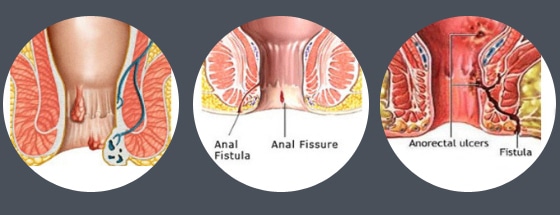
Piles and bhagandar (anal fistula) are different conditions, but they can look similar to patients. Both cause pain, discharge or swelling near the anus, and a person can have more than one problem at the same time. If you have a recurring boil, pus discharge or a small opening near the anus, ask for a proper examination. Piles bhagandar treatment in Surat starts with identifying exactly which condition you have, because the treatment for each is different.
Questions to Ask Your Piles Doctor Before Agreeing to a Procedure
Before you say yes to anything, ask:
- Which technique do you recommend for my grade, and why?
- How much pain should I expect?
- Will I need to stay in the hospital?
- When can I go back to work?
- How likely is it that the piles will return?
- What will the total cost be?
A trustworthy surgeon answers clearly, explains your options and never pressures you into a decision at the first visit.
Open Piles Surgery (Hemorrhoidectomy) at a Piles Operation Hospital
Open surgery, known as hemorrhoidectomy, has been used for decades and is still the standard for large or complicated piles. It is done at a well-equipped piles operation hospital under spinal or general anesthesia, so you feel no pain during the procedure.
How Is Open Piles Surgery Done?
The surgeon makes a small incision near the swollen tissue, removes the enlarged vein, and controls the bleeding with stitches or heat. The wound may be left open or closed, depending on the technique. The operation usually takes thirty to forty five minutes, and most patients stay in the hospital for one day.
Recovery After Open Piles Surgery
Open surgery is effective, but recovery is slower and more uncomfortable. Expect noticeable pain for the first one to two weeks, especially during bowel movements. Most people return to desk work within two weeks, while complete healing of the wound can take four to six weeks. You will need pain medicines, regular sitz baths, and stool softeners to keep the area comfortable.
Open Surgery: Advantages and Drawbacks
The biggest advantage of open surgery is its low recurrence rate, because the diseased tissue is physically removed. It handles large, fourth grade piles that other methods cannot manage well. The drawbacks are longer pain, a bigger wound, more time away from routine, and a slightly higher risk of bleeding or temporary difficulty passing urine after the operation.
Piles Laser Treatment in Surat: Why Many Patients Choose It?
Laser surgery is a modern technique that uses focused laser energy to shrink or remove piles with very little damage to the surrounding tissue. Many patients searching for piles laser treatment in Surat are drawn to it because of the shorter recovery and the lower fear of pain. It is usually a day-care procedure done under short anesthesia.
How Does Laser Treatment for Piles Work?
A thin laser fiber is placed at the base of the pile. The energy seals the blood supply and shrinks the swollen tissue, which then dries and gradually shrinks away. Because the cuts are tiny and the blood vessels are sealed as the laser works, there is less bleeding and less swelling. The procedure typically takes fifteen to thirty minutes.
Recovery After Laser Piles Surgery
Most patients go home the same day and feel mild discomfort rather than sharp pain. Many return to light work within two to three days, and normal activity within a week. Full healing usually takes two to three weeks, which is noticeably faster than the traditional method.
Laser vs. Open Surgery for Piles: Side-by-Side Comparison
Here is a simple comparison to help you weigh both options:
- Pain level: laser causes mild discomfort, while open surgery causes moderate to strong pain for the first week or two.
- Hospital stay: laser is mostly day care, while open surgery often needs one night.
- Recovery time: laser takes about one to three weeks, and open surgery takes four to six weeks.
- Bleeding and wound size: laser leaves smaller wounds with less bleeding.
- Best suited for: laser works well for grades two and three, while open surgery suits large grade four piles.
- Recurrence risk: open surgery has the lowest recurrence for advanced piles, and laser is very reliable when matched to the correct grade.
- Cost: laser may cost more upfront, but quicker return to work often balances it out.
What Does Piles Laser Operation Cost in Surat Depend On?
There is no single price that fits everyone. The piles laser operation cost in Surat depends on:
- The grade and number of piles
- Whether you also have a fissure or fistula that needs treatment
- The type of anesthesia and the hospital facility
- The surgeon’s experience
- Tests before surgery, medicines and follow-up visits
Ask for an estimate only after a proper examination, and check exactly what it includes so there are no surprises later. To get a clear, honest quote for your case, consult Dr. Anup Patki, piles surgical specialist in Surat. He will examine you, grade your piles, explain whether you need laser, open surgery or a non-surgical option, and give you a transparent cost estimate before you decide anything.
Laser or Open Surgery? How to Make the Right Choice With Your Piles Specialist
Neither method is better for everyone. The right answer depends on your grade of piles, your general health, your job and how quickly you need to recover. Someone with moderate piles who must return to work soon may do very well with laser. Someone with large, long-standing grade 4 piles may be safer with open surgery. Matching the method to the condition matters more than the technology itself.
What Decides the Right Procedure for You?
A piles specialist doctor in Surat will look at the grade and size of your piles, whether they are internal, external or both, and whether you also have fissures or fistulas. Age, diabetes and blood-thinning medicines play a part too. Your lifestyle and your tolerance for downtime matter, and a good doctor listens to all of it.
Why an Experienced Surgeon Matters?
A good surgeon will walk you through both approaches openly and suggest what fits your case, not what happens to be popular. That kind of honesty can save you from a procedure you did not need and from results you did not expect. Experience also matters, because it lowers the chance of complications and of piles coming back. So take your time, ask questions and choose a hemorrhoids specialist in Surat you feel comfortable with.
How to Prevent Piles From Coming Back After Surgery?
No procedure lasts if the cause stays. To protect your results:
- Eat plenty of fibre and drink enough water
- Avoid sitting on the toilet for long periods
- Stay active every day
- Treat constipation early
- Attend every follow-up visit and follow Dr. Patki’s advice
These habits give you the best chance of staying pile-free for years.
Final Thoughts: Choosing the Right Piles Treatment in Surat
Laser and open surgery both have an important place in modern piles care. Laser offers comfort and speed, while open surgery offers dependable results for advanced cases. If you are looking for piles laser treatment in Surat or any other proven option, the smartest step is a proper examination. Consult Dr. Anup Patki, understand your grade and choose the procedure that fits your body and your life.
Frequently Asked Questions
1. Is laser surgery better than open surgery for piles?
Laser surgery offers less pain and faster recovery, so it suits many patients with grade two and three piles. Open surgery is often better for very large or fourth grade piles. The best option depends on your condition.
2. How painful is piles surgery?
Laser surgery usually causes mild discomfort that is easy to manage with medicines. Open surgery causes more pain for the first one to two weeks, though prescribed pain relief and sitz baths make it bearable.
3. How long does it take to recover from piles surgery?
After laser surgery, most people resume normal routines within a week. After open surgery, recovery usually takes two weeks for daily work and four to six weeks for complete healing.
4. Can piles come back after surgery?
Yes, piles can return if constipation, straining, and a low fiber diet continue. Open surgery has a slightly lower recurrence in advanced cases, but healthy habits protect the result of either method.
5. Is piles surgery safe?
Both procedures are considered safe when performed by an experienced surgeon in a proper facility. Complications such as bleeding or infection are uncommon and are managed quickly with timely follow up.