An anal fissure is a small tear in the lining of the anal canal, and almost everyone who has one asks the same question: how long will this pain last? The honest answer depends on whether the fissure is acute or chronic, and on the treatment you choose. Many people heal within a few weeks, while others need a procedure to recover fully. If you are searching for the best anal fissure treatment in Surat, understanding realistic healing timelines will help you choose between conservative care and surgery with confidence. This guide explains both paths, what recovery feels like, and when to see a specialist, so you can stop suffering in silence.
Why You Should Consult an Anal Fissure Specialist in Surat Early?
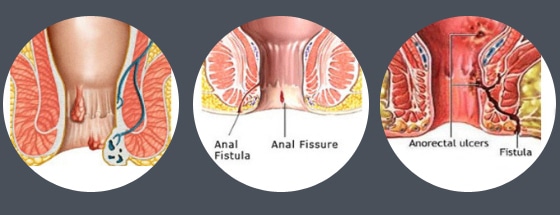
A fissure usually develops from passing hard stool, long term constipation, repeated diarrhea, childbirth, or excess tension in the anal sphincter muscle. The tear exposes the muscle underneath, which causes sharp pain during and after bowel movements, bright red blood on the tissue or stool, and sometimes itching or burning. Consulting an anal fissure specialist in Surat early matters because the type of fissure largely decides how long healing will take.
Acute Fissure: The Short Healing Window
An acute fissure is a recent tear, usually present for less than six weeks. The edges are soft and the tear is shallow. With the right care, most acute fissures heal in two to six weeks, and many settle even sooner when constipation is corrected quickly.
Chronic Fissure: The Stubborn Kind
A chronic fissure lasts longer than six to eight weeks. Over time the edges become hard and raised, a small skin tag called a sentinel pile may form, and the internal sphincter muscle often stays in spasm. That spasm reduces blood flow to the tear, so the wound cannot repair itself. This is why chronic fissures rarely heal without proper medical or surgical treatment, and they can continue for months or even years.
Signs You Should Not Ignore
Book an appointment if pain lasts more than a week, bleeding keeps returning, you notice a lump near the anus, or you begin avoiding the toilet because of fear of pain. Avoiding bowel movements makes stools harder and the fissure worse, which creates a painful cycle that is difficult to break without guidance.
Heal Anal Fissures Without Surgery: Treatment Options Near You
Most fissures, especially acute ones, respond well to non surgical care. The goal is to soften stools, relax the sphincter muscle, and protect the tear while it heals. Patients who follow the plan consistently often feel clear relief within the first week, although full healing takes longer.
Typical Timeline With Conservative Care
In the first three to five days, pain usually begins to ease as stools become softer. By two weeks, bleeding often stops. Complete healing of an acute fissure generally takes four to six weeks. A chronic fissure treated with medication may take six to eight weeks or more, and success rates are lower than for acute tears.
What Does Anal Fissure Laser Treatment in Surat Include?
Before suggesting laser treatment, a specialist usually starts with simple care steps that help the tear heal. Here are the most common ones:
- Eat more fiber: Fruits, vegetables, oats and whole grains make stools soft and easy to pass.
- Drink enough water: Two to three liters a day keeps stools soft and stops straining.
- Take warm sitz baths: Sit in warm water for 10 to 15 minutes, two or three times a day. This relaxes the muscle around the anus and soothes pain.
- Use stool softeners or fiber supplements: These make bowel movements smoother and less painful.
- Apply prescription ointments: Creams like nitroglycerin or diltiazem relax the muscle and improve blood flow, which helps the tear heal faster.
- Use pain relief gels: Numbing gels make passing stool more comfortable.
- Get a botulinum toxin (Botox) injection: This quick procedure relaxes the muscle for a few months, giving the fissure time to heal.
When Medicines Are Not Enough?
If there is no clear improvement after six to eight weeks of consistent treatment, the fissure is likely chronic and the sphincter is staying tight. At that point, continuing the same medicines often wastes time and prolongs discomfort. A procedure becomes the more reliable route to permanent healing.
Fissure Surgical Treatment in Surat: What an Anal Fissure Doctor Can Offer?
Surgery is usually advised for chronic fissures, for fissures that keep returning, and for patients who have not responded to medical therapy. Modern techniques are quick, performed under anesthesia, and most patients go home the same day. Choosing an experienced surgeon is what makes the difference in comfort and outcome. Many patients look for the fissure surgical treatment in Surat at this stage because they want a lasting cure rather than another round of temporary relief.
Lateral Internal Sphincterotomy
This is the gold standard procedure for chronic fissures. The surgeon makes a tiny cut in a small portion of the internal sphincter muscle to release the spasm. Blood flow returns to the tear and healing begins naturally. Pain often improves within a day or two, and the fissure typically heals fully in four to six weeks. Success rates are reported above 90 percent.
Laser Treatment for Fissures
Laser-assisted procedures use focused energy to treat the fissure and release the tight muscle with minimal tissue damage. Patients usually report less bleeding and less pain after the procedure. Many return to light work within two to three days, and the wound heals over roughly three to five weeks.
Fissurectomy and Advancement Flap
When the fissure is deep, scarred, or associated with a large sentinel pile, the surgeon may remove the damaged tissue, which is called fissurectomy. In select cases, an advancement flap covers the area with healthy tissue. Recovery in these cases can stretch to six to eight weeks, because the wound is larger.
Recovery After Surgery
Expect mild discomfort and slight spotting for the first week. Most people resume desk work within three to seven days. Heavy lifting and strenuous exercise should wait for two to three weeks. Following the dietary and hygiene advice you receive will protect the result and reduce the chance of recurrence.
Not sure whether to wait or go ahead with treatment? Speaking to a surgical specialist in Surat, Dr. Anup Patki gives you clear answers early, and that costs far less than living with months of pain.
Speeding Up Recovery After Anal Fissure Laser Treatment in Surat
Whether you heal with or without surgery, daily habits shape the final outcome. Do not strain, and do not sit on the toilet for long periods or scroll on your phone there. Go when you feel the urge, since holding stool makes it harder. Clean the area gently with water, pat it dry, and avoid harsh soaps or scented wipes. Light exercise such as walking improves bowel regularity and supports healing.
When choosing a clinic, look for a surgeon who examines you properly, explains every option honestly, and does not push surgery when medicines can work. Ask about the specific technique, expected recovery time, and follow-up care. Dr. Anup Patki will match the treatment to your fissure type, lifestyle, and comfort rather than offering a one-size-fits-all plan.
Recurrence is possible if the original cause is untreated. Chronic constipation, low-fiber diets, and dehydration are the usual culprits. Surgery fixes the muscle spasm, but your habits protect the repair. Patients who maintain a fiber-rich diet seldom see the problem return, and regular follow-up visits help catch any early warning signs before they turn into a painful relapse.
Conclusion
An anal fissure can heal in as little as two to six weeks with proper care, while chronic cases may need a short procedure and four to eight weeks of recovery. The key is not waiting too long, because delay only makes the tear harder to heal. If you want the best fissure treatment in Surat, book your consultation with us and get a clear diagnosis, and start a plan that suits your condition today.
Frequently Asked Questions
An acute fissure often heals in two to six weeks with simple measures like fiber, water, and sitz baths. A chronic fissure rarely heals on its own and usually needs medication or a procedure to close completely.
Most patients return to routine work within three to seven days. The wound itself usually heals completely in four to six weeks. Deeper or more complex repairs can take up to eight weeks.
The procedure is done under anesthesia, so you feel nothing during it. Mild soreness is common for a few days afterward and is controlled with prescribed pain relief. Many patients say it hurts less than their fissure did before surgery.
Yes, it can return if constipation, straining, or low fiber intake continues. Surgery lowers the recurrence risk by relieving the sphincter spasm, and healthy bowel habits reduce it even further.
Surgery is worth considering if the fissure has lasted more than eight weeks, keeps recurring, or has not improved with ointments and diet changes. A proper examination by a specialist will confirm which route is best for you.